

 Biocontainment
 Biopharma
 Healthcare
 Brochures
 User Manuals



Application
Hazardous Drugs
Safeguarding the workspace: Manufacturing and compounding hazardous drugs with low occupational exposure limits (OELs)


Advanced solutions for safe handling of hazardous drugs
The primary challenge associated with hazardous drug manufacturing or compounding is the need to prevent contamination, while working to prevent exposure. Creating cleanroom layouts that minimizes the risk of cross-contamination, while maintaining an efficient workflow, requires careful planning and design. Selecting and maintaining appropriate containment primary engineering controls (C-PECs) and containment secondary engineering controls (C-SECs) can be challenging. They must be effective, user-friendly, and easy to clean and maintain.
Fit-for-purpose Facilities and Equipment for Hazardous Drug Manufacturing
Select from a number of application-ready layouts and equipment. If these do not meet your needs, reach out and learn more about our custom solutions.

Mobile Hazardous Drug Compounding Cleanrooms
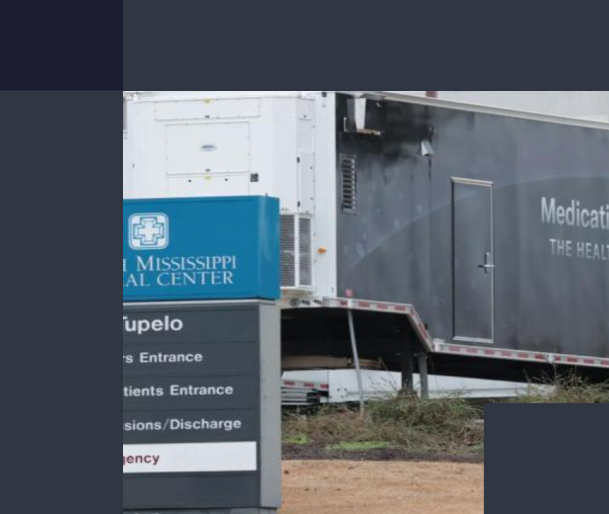
Discover our adaptable, USP <800> compliant Mobile Compounding Pharmacy, designed to address urgent compounding or manufacturing capacity shortfalls or provide temporary solutions during facility renovations. These all-in-one facilities seamlessly serve biopharma manufacturers, individual hospitals or entire systems, functioning as swing space or additional capacity support.
Rely on Germfree to ensure an ideal aseptic compounding environment for handling hazardous materials, delivering a swift, cost-effective pathway to a smooth, tailored manufacturing or compounding operation. Additionally, benefit from our exceptional service support, ensuring uninterrupted performance and customer satisfaction.
- Germfree has deployed more than 100 mobile pharmacy cleanroom facilities globally since 2015
- Compliant to cGMP, USP <800>, ISO Class 5/7/8 or Grade B,C or D rooms
- Negative or positive pressure environments
- Rapid deployment, minimizing downtime
- Mobile units are integrated with Biosafety Cabinets, Laminar Flow Hoods, Cold Storage, Gowning Benches, and 100% Stainless Steel Casework
- Provided turnkey with commissioning and qualification, 24/7 hour service support and maintenance for optimal cleanroom performance
- Available for sale or lease
Mobile Compounding Pharmacies
Germfree’s Mobile USP 797/800 Compounding Pharmacy keeps compounding online as a supplemental, often permanent, addition to existing operations.
Key applications:
View product detail

Modular Hazardous Drug Compounding Facilities
Manufacture and compound hazardous drugs safely with fit-for-purpose prefabricated Modular Compounding Pharmacies from Germfree, with layout options, mechanical space configurations, and integrated equipment solutions to match. Design, project management, supply chain, commissioning and qualification, and maintenance are handled as one service, start to finish.
- Compliant to cGMP, USP <800>, ISO Class 5/7/8 or Grade B, C or D rooms
- Onsite in ~ 8 Months for standard platforms
- Can be combined with Pharmaceutical Containment Isolators, RABs, Biosafety Cabinets, Laminar Flow Hoods, Pass-throughs, Gowning Benches and 100% Stainless Steel Casework
- High-quality construction, reduces potential for contamination.
- Provided turnkey with comprehensive services, including commissioning and qualification and 24 hour/ 7 day a week service support, remote monitoring and preventative maintenance
Modular Compounding Pharmacies
Germfree’s Modular Compounding Pharmacy is a USP <797>/<800> compliant, non-hazardous and hazardous drug compounding facility inside our modular platform.
Key applications:
View product detail

Innovative Aseptic Processing Equipment and PECs
A standard and custom equipment line that was the inception of our company 60+ years ago. Continually innovating this equipment has created a line of primary engineering controls (PECs), refined over six decades, that offer 100% stainless steel construction, intuitive ergonomic design, and hazardous/non-hazardous capabilities. All of Germfree equipment has a decades long service life across our: Laminar Flow Workstations, Biological Safety Cabinets (BSC), Compounding Aseptic Isolators (CAI), Compounding Aseptic Containment Isolators (CACI), Powder Hoods, and Material Pass Throughs.
- Standard Biosafety Cabinets and Laminar Flow Hoods ship fast
- NSF/ANSI49 options available
- Pharmaceutical Containment Isolators and Gloveboxes
- Innovative touchscreen control interface on some models
- 24/7/365 hour service support and maintenance for optimal equipment performance
- 304L and 316L stainless steel construction
- Modular or mobile cleanroom facility integration
- Durable and easy to clean, backed by a service life spanning decades

Smarthood™

Stainless Steel Laboratory Furniture

Vertical Laminar Flow Hood
Frequently Asked Questions
What are occupational exposure limits (OELs), and why do they matter for hazardous drug handling?
Occupational exposure limits (OELs) define safe exposure thresholds for personnel working with hazardous drugs. Facilities must be designed to prevent contamination while also preventing exposure, which requires cleanroom layouts that minimize cross-contamination risk while maintaining an efficient workflow.
What equipment is required for hazardous drug compounding?
Hazardous drug compounding requires containment primary engineering controls (C-PECs) and containment secondary engineering controls (C-SECs) that are effective, user-friendly, and easy to clean and maintain.
What’s the difference between mobile and modular hazardous drug compounding facilities?
A Mobile Hazardous Drug Compounding Cleanroom is a USP <800> compliant, all-in-one facility designed for urgent capacity shortfalls or temporary solutions during renovations. A Modular Hazardous Drug Compounding Facility is a prefabricated, fit-for-purpose platform offering a range of layout options and mechanical space configurations for longer-term needs.
What compliance standards do Germfree’s hazardous drug facilities meet?
Germfree’s mobile and modular hazardous drug compounding facilities are built to cGMP and USP <800> standards, with ISO Class 5/7/8 (Grade B, C, or D) room classifications depending on configuration.
What applications do Germfree’s hazardous drug compounding platforms support?
Germfree’s mobile platform supports 503B Outsourcing, Hospital Compounding, Radiopharmaceuticals, and Hazardous Drugs applications. Its modular platform supports Hospital Compounding, 503B Outsourcing, and Hazardous Drugs applications.
What equipment integrates with Germfree’s hazardous drug compounding facilities?
Germfree’s facilities integrate with Biosafety Cabinets, Laminar Flow Hoods, Cold Storage, Gowning Benches, Pharmaceutical Containment Isolators, Restrictive Access Barrier Systems (RABs), and 100% Stainless Steel Casework.
Talk to us about the right solution for hazardous drugs
Contact usWhen your mission calls for something custom, we deliver.
Some environments can’t take a catalog answer: the one-of-a-kind containment lab, the facility that has to survive shipment by military aircraft, the compounding pharmacy that has to stand up overnight. Tell us the constraints, we’ll build around them.




Related insights
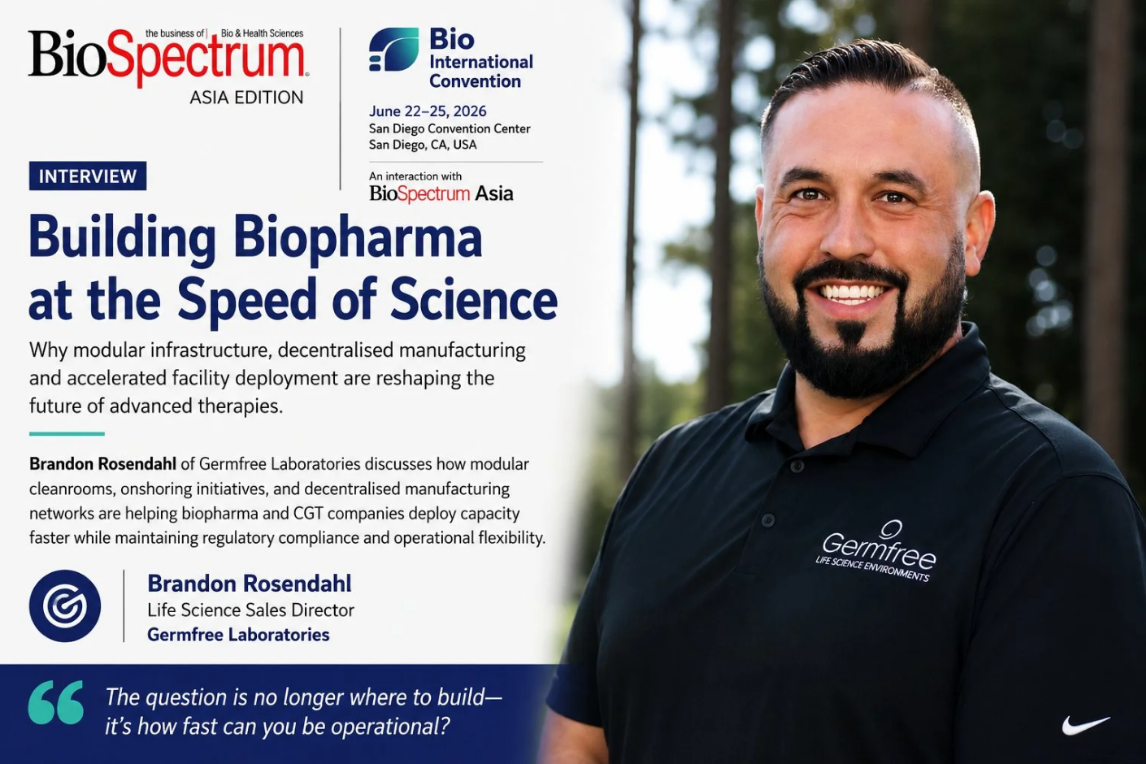
Rethinking Biomanufacturing: How Modular Infrastructure Is Accelerating the Future of Advanced Therapies
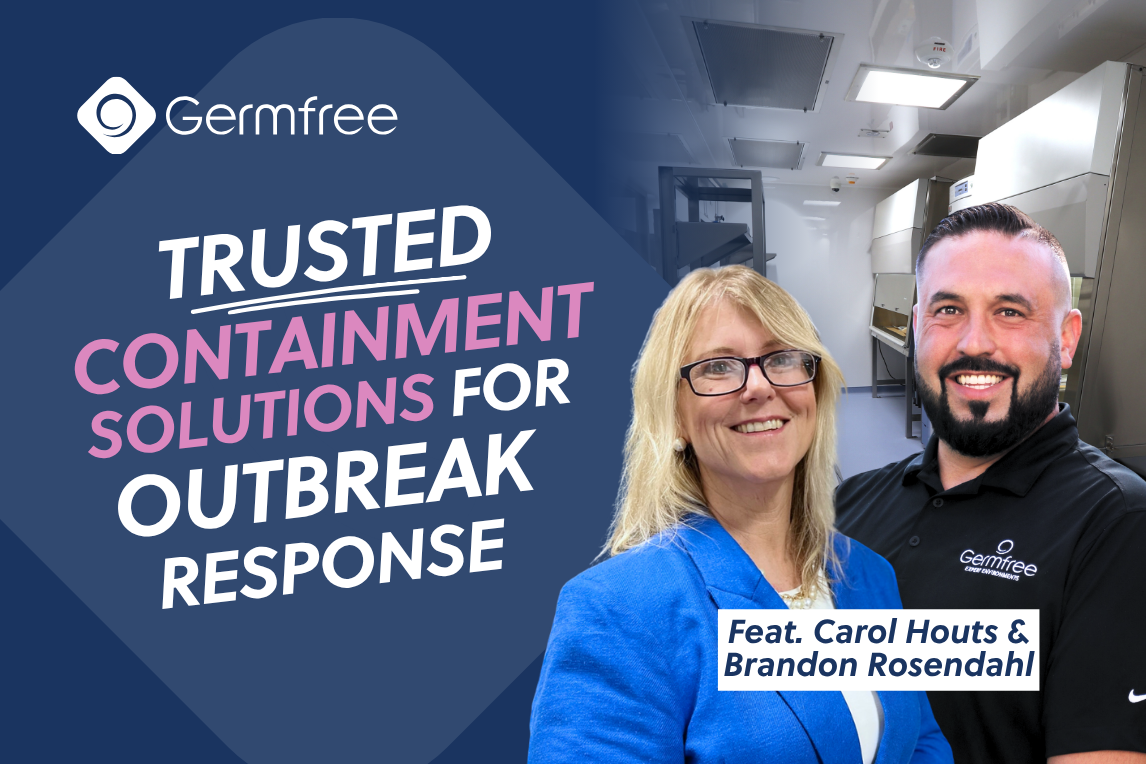
When Every Minute Matters: Reliable Containment for Ebola Response

Related resources
Germfree Biopharma Products Brochure
Let's deliver on your mission together.
Tell us about your project and we’ll connect you with the right team within 24 hours.

Sales: + 1 (386) 265-4300


